You Pressed Play and They Pulled the Plug: The Streaming Purge Nobody Warned You About
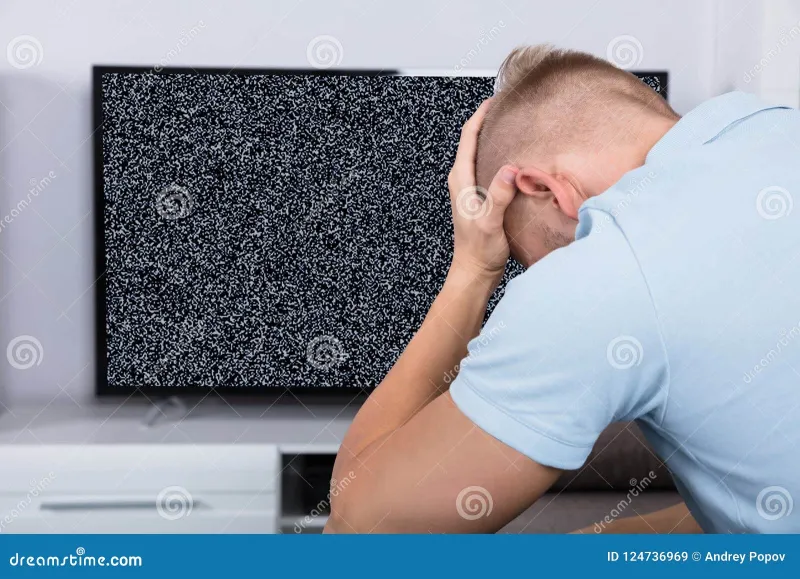
Photo: person frustrated watching blank TV screen streaming service, via thumbs.dreamstime.com
Imagine this: It's a Tuesday night. You're three episodes deep into a show you genuinely love. You fall asleep on the couch like a functioning adult. Wednesday morning, coffee in hand, you open Netflix to pick up where you left off — and the show is just gone. No warning. No farewell email. No courtesy heads-up from the algorithm that spent six months begging you to watch it in the first place. Just a cold, blank search result and the quiet hum of corporate indifference.
Welcome to streaming in 2024, where the content purge is real, relentless, and happening faster than you can hit the next episode button.
The Numbers Are Ugly (And Getting Uglier)
Since 2022, Netflix alone has removed hundreds of original titles from its library — including shows that were still mid-run when the axe dropped. Disney+ quietly buried dozens of Star and FX productions that barely had time to breathe. HBO Max (now just "Max," because apparently full words are also being deleted) famously yanked entire original films and series in 2022 and 2023 as part of what executives cheerfully called "portfolio rationalization." Viewers called it something less printable.
According to data tracked by sites like JustWatch and Reelgood, the average lifespan of a streaming original before removal has dropped significantly over the past three years. Some titles clock out in under 18 months. A handful — particularly animated projects and niche comedies — have been pulled within weeks of their premiere, leaving audiences who discovered them late completely out of luck.
If this feels like blinking and missing it, that's because it literally is.
Licensing Deals: The Invisible Trapdoor
Here's the part they really don't want to explain in the onboarding tutorial. A significant chunk of what lives on any given streaming platform isn't actually owned by that platform. It's licensed — meaning the streamer pays a rights holder for a limited window of access, and when that window slams shut, the show disappears whether anyone's watching it or not.
This is how a beloved procedural drama can vanish from Peacock overnight and reappear on Tubi three weeks later like nothing happened. It's not magic. It's contract law. And it is absolutely maddening.
For original content, the math gets even darker. HBO's 2022 purge of Max Originals — including the animated series Infinity Train and several completed films — was driven largely by tax write-off strategy. By removing content from the platform and writing it down as a loss, parent company Warner Bros. Discovery could offset costs on its balance sheet. The creative work ceased to exist as a streamable product so that a number on a spreadsheet could look slightly better.
The shows didn't just disappear from screens. In several cases, they were made unavailable for purchase anywhere, meaning there was literally no legal way to watch them. Poof.
The People Left Holding the Remote
Talk to actual subscribers and the frustration is palpable in a way that goes beyond typical consumer grumbling.
"I got really into this Canadian comedy on Netflix," says Marcus, a 31-year-old from Chicago who asked that we not use his last name because he works in media and doesn't want to seem like he's complaining publicly. (He absolutely is complaining. Publicly. To us.) "I recommended it to like six people. Two of them went to watch it and it was already gone. I looked like an idiot."
That social embarrassment factor is genuinely underexplored. Streaming platforms have trained us to be ambassadors for their content — to share, recommend, evangelize — while simultaneously pulling the rug out from under the very recommendations we're making. The word-of-mouth pipeline that used to sustain shows through slow-burn discovery is now a liability when the content can vanish before the word even finishes traveling through the mouth.
Then there's the psychological whiplash of investment. Viewers who commit emotionally to a series — who follow the characters, theorize about the plot, maybe even join a subreddit — are left with unresolved narrative threads and zero closure when a show gets yanked without a finale. It's the TV equivalent of a friend just stopping texting you mid-conversation and then blocking your number.
The Algorithm Giveth, the Algorithm Taketh Away
What makes this especially perverse is the recommendation engine's role in all of it. Netflix, Disney+, and their competitors spend enormous resources nudging you toward specific titles — surfacing them on your homepage, sending push notifications, auto-playing trailers. They want you invested. Until suddenly they don't.
The moment a licensing deal expires or a content accountant decides a title isn't pulling its weight in engagement metrics, that same recommendation engine goes silent. The show stops appearing. The algorithm buries it. And if you don't happen to be watching it right now, you may never find out it existed at all.
This is where QckFck's whole deal starts to feel uncomfortably relevant. We built our brand around the idea that digital content is slippery — here one second, gone the next, and the only way to catch it is to already be looking. Streaming has industrialized that experience and sold it back to you at $15.99 a month.
So What's the Play?
A few coping strategies that actual humans are using with varying degrees of success:
The Paranoid Completionist Method: Start nothing until you've verified it has a full run available. This is joyless and defeats the purpose of discovery, but statistically it works.
The Notification Stalker Approach: Use services like JustWatch to set alerts when specific titles are leaving a platform. You get maybe two weeks of warning. Sometimes.
The Physical Media Evangelist: Buy the Blu-ray. Yes, Blu-rays still exist. Yes, people still buy them. These people are thriving.
The Acceptance Arc: Recognize that in the streaming model, you are not a customer with rights. You are a monthly subscriber to a rotating library that changes without notice. Adjust expectations accordingly and try not to get too attached.
That last one is genuinely the most honest framing. Streaming services have quietly redefined what it means to "have" access to entertainment. The content isn't yours. The library isn't stable. And the platform's relationship with you lasts exactly as long as it's profitable for them — which, as several recently canceled shows and their suddenly homeless fan bases can confirm, might be shorter than you think.
Blink and you'll miss it. Or, in this case, blink and they'll delete it while you're blinking.
Got a show that disappeared on you mid-watch? Drop it in the comments. We're building a list, and honestly, it's going to be a long one.