You Can't Buy It If You Can't Find It: The Luxury Drop That Doesn't Want You to Succeed
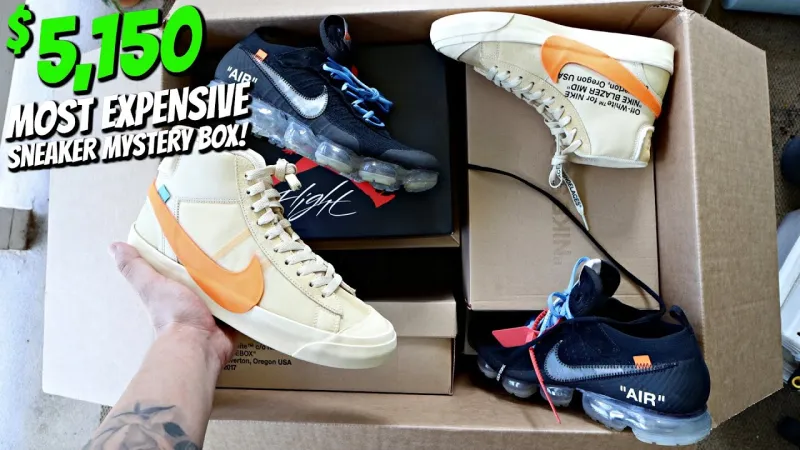
Photo: luxury sneaker drop exclusive limited edition packaging mystery, via i.ytimg.com
Imagine refreshing a webpage at 3 a.m., convinced that somewhere on the internet — tucked behind a geo-locked URL, buried inside a Discord server with seventeen members, or accessible only via a QR code printed on a napkin at a pop-up in SoHo — there exists a sneaker. A bag. A hoodie. Something that costs more than your car payment and comes in exactly one colorway. Now imagine it sold out four minutes ago, and you were never actually invited in the first place.
Welcome to the phantom drop. Population: everyone who got played.
The Invisible Shelf
Luxury brands have always understood one thing better than anyone else: scarcity sells. Limited edition isn't a new concept. But what's evolved — mutated, really — is how invisible the scarcity has become. We're not talking about a product that's hard to get. We're talking about a product that's hard to know exists.
In the last few years, a growing number of high-end fashion houses and gaming-adjacent lifestyle brands have started deploying what insiders loosely call "stealth releases." These are product drops that bypass traditional marketing channels almost entirely. No Super Bowl ad. No influencer seeding. No countdown timer on a landing page. Instead, the drop happens on an obscure regional platform, through a private SMS list with no public sign-up link, or inside a brand's own app — but only visible to users who've unlocked a specific loyalty tier that the brand never formally announced.
The product exists. The sale happens. And the vast majority of the brand's own audience has absolutely no idea any of it occurred.
The Mechanics of Manufactured Mystery
So how does this actually work in practice? A few recurring tactics have emerged.
Geo-locked releases are exactly what they sound like — a product available for purchase only to users in a specific zip code, city, or even a single block radius. One streetwear brand reportedly dropped a $600 jacket exclusively to users within walking distance of their flagship store in New York's Nolita neighborhood. The product never appeared on the main website. If you weren't standing close enough to smell the candles through the front door, you weren't getting in.
Invitation-only access operates through a tiered system that brands keep deliberately vague. You might receive a cryptic text message with a link that expires in 90 seconds. You might find a physical card tucked into the packaging of a previous purchase — no explanation, just a URL and a date. The point isn't clarity. The point is that receiving the invitation feels like being chosen.
Platform obscurity takes things a step further. Drops have been seeded through brand accounts on platforms with minimal mainstream penetration — regional apps, niche collector forums, private Telegram channels. The product doesn't live on Instagram. It lives somewhere you probably aren't, and that's entirely intentional.
FOMO as a Feature, Not a Bug
Here's the part that makes this whole thing genuinely fascinating from a consumer psychology standpoint: the people who don't get access often end up doing more marketing for the brand than any paid campaign could.
Missing out on a phantom drop doesn't generate silence. It generates conversation. Reddit threads dissecting what happened. Twitter (fine, X) posts from people furious they couldn't find the checkout page. YouTube videos from resellers explaining the secondary market markup. Discord servers dedicated entirely to cracking the next drop's access code.
The brand spends almost nothing on promotion and receives an avalanche of organic content from people who are, at their core, advertising the product's desirability by complaining they couldn't get it. It's a beautiful, slightly evil loop.
This is where the line between genuine exclusivity and manufactured FOMO gets genuinely blurry. Traditional scarcity meant making fewer units. Phantom scarcity means making the discovery of those units the actual product. The hoodie is almost beside the point. What you're really buying — or failing to buy — is access to a club that keeps changing the door.
Gaming's Fingerprints Are All Over This
It's worth noting that luxury fashion didn't invent this playbook from scratch. It borrowed heavily from gaming culture, which has spent two decades perfecting the art of the unmarked door.
Limited-time events in live-service games, hidden unlockables, invite-only beta access, region-specific content — these mechanics trained an entire generation to treat scarcity as a puzzle to be solved rather than a wall to be frustrated by. When a sneaker brand drops a product that requires you to have completed a specific in-app challenge to even see the listing, that's not retail. That's a quest.
The crossover between gaming and luxury streetwear has accelerated this dynamic considerably. Brands that collaborate with game studios understand their shared audience's appetite for obscure unlock conditions. Buying the shoes becomes the final boss.
Does Any of This Actually Work?
Depends on what "work" means.
If the metric is units sold, phantom drops are almost comically efficient. Products sell out in minutes — sometimes seconds — with zero traditional advertising spend. The secondary market markup validates the retail price point and then some, creating a perception of value that money genuinely cannot buy through conventional means.
If the metric is customer satisfaction, the picture gets murkier. Consumer frustration with inaccessible drops is real and documented. There's a growing backlash among longtime brand loyalists who feel like the game has been rigged against them. When a brand's most dedicated customers can't access a product, you start to wonder who the product is actually for.
The cynical answer: it's for the people who will post about it. The buyers are almost secondary. The story of the drop — the hunt, the miss, the myth — is the actual deliverable.
The Redirect You Never Clicked
There's something almost poetic about the phantom drop existing in the same internet ecosystem as cryptic URLs, redirect chains, and invite-only platforms. We've built a digital world full of doors, and the most valuable ones are the ones with no handle on the outside.
Whether you find that thrilling or exhausting probably says something about your relationship with scarcity. For some people, the hunt is genuinely half the fun. For others, it's an elaborate system designed to make you feel like you lost a game you didn't know you were playing.
Either way, the brands are winning. And somewhere right now, a $900 tote bag just sold out on a platform you've never heard of, to a list you were never on, in a city you don't live in.
Blink and you missed it. That was the whole point.