Hide the Album: The Musicians Turning Obscurity Into a Chart Strategy
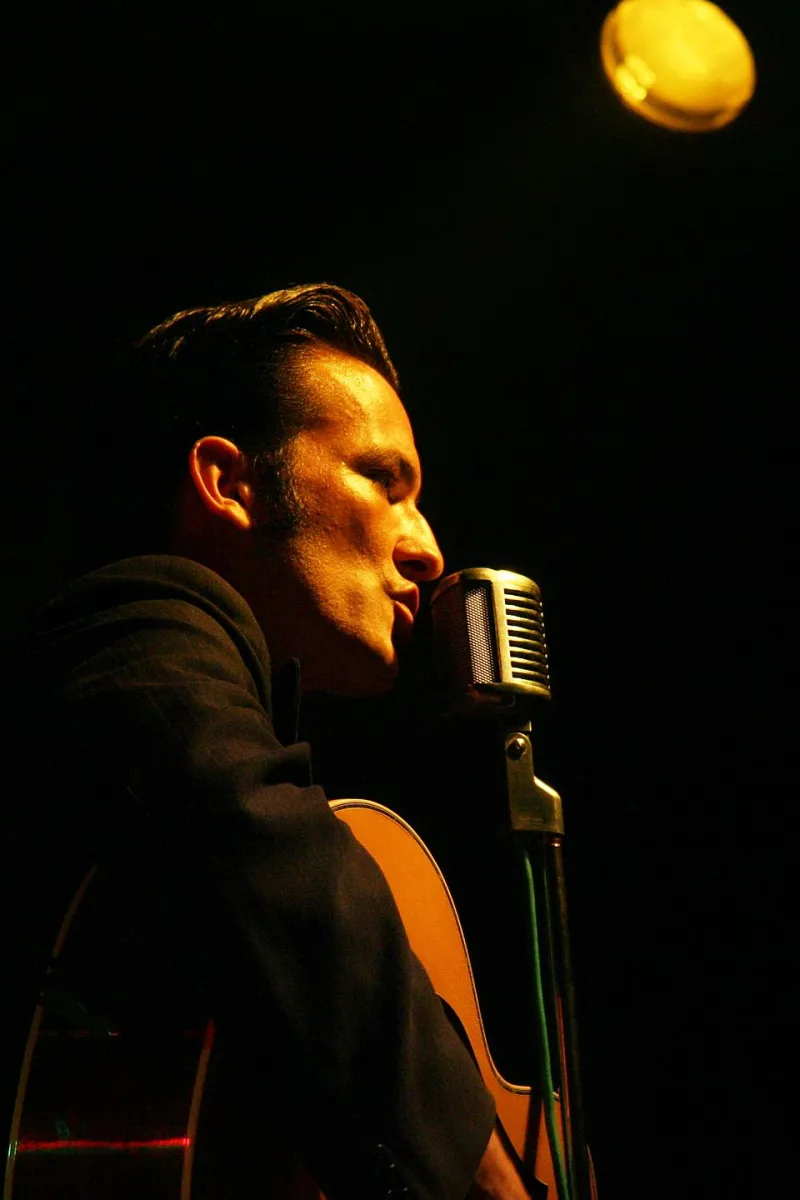
Photo: user:AngMoKio, CC BY-SA 2.5, via Wikimedia Commons
There's a running joke in certain corners of music Twitter that goes something like this: if you can find the album on Spotify's home page, it's already over. The artists who actually matter? You have to earn them.
That joke is becoming less of a joke and more of a business model.
Somewhere between the death of the midnight album drop and the birth of the algorithm-optimized playlist, a small but growing cohort of musicians figured out that the best way to cut through the noise wasn't to get louder — it was to get quieter. Way quieter. Like, unlisted-YouTube-link-shared-in-a-Discord-server-with-300-people quieter.
And somehow, it's working.
The Streaming Era's Dirty Little Secret
Here's the thing nobody in the music industry loves to say out loud: Spotify's algorithm doesn't care about your art. It cares about engagement metrics, skip rates, and whether your track sounds enough like whatever's already performing well to slot into an auto-generated playlist. The result is a bizarre feedback loop where artists end up making music for the algorithm rather than for actual human beings with ears and feelings.
A handful of artists — some indie, some surprisingly mainstream — have started treating that system less like a ladder to climb and more like a trap to avoid entirely. Their solution is almost comically simple: release music in places the algorithm can't easily index, seed it through human networks instead of promotional pipelines, and let genuine word-of-mouth do the heavy lifting.
The mechanics vary wildly. Some artists drop albums as unlisted SoundCloud links shared only through email newsletters. Others bury releases inside Bandcamp pages with zero metadata, no cover art, and titles that look like keyboard smash. A few have experimented with encrypted Telegram channels where a download link lives for exactly 48 hours before it disappears. One producer — who we're deliberately not naming because, well, that's kind of the whole bit — released an entire LP as a series of QR codes printed on stickers and left in record stores across six cities.
The streams accumulate anyway. Slowly at first, then in sudden, inexplicable surges that chart analysts can't quite trace back to a source.
Scarcity as Signal
So why does this work? Part of it is pure psychology. Humans are wired to assign value to things that feel rare or exclusive. It's the same reason a restaurant with a three-month waitlist feels more prestigious than one with open reservations — even if the food is identical. When an album feels discovered rather than delivered, it creates a fundamentally different emotional relationship between the listener and the music.
There's also something genuinely subversive about it in 2025, when every major label has a data team optimizing release windows and promotional spend down to the hour. An artist choosing to make their work hard to find is, in a weird way, a power move. It says: I don't need your algorithmic approval. My audience will find me.
And increasingly, they do. The communities that form around these hidden releases tend to be unusually tight-knit and deeply invested. They share links like contraband. They build wikis. They argue passionately in subreddits that casual fans have never heard of. The obscurity doesn't kill the fanbase — it concentrates it.
The Authenticity Arms Race
Of course, the moment a strategy becomes legible, the major labels start copying it. And sure enough, there are already signs that big-budget artists are starting to mimic the aesthetic of obscurity without actually committing to it. A carefully orchestrated "surprise drop" that's been teased for weeks through cryptic social posts isn't really obscure — it's a theatrical performance of obscurity, which is a very different thing.
Listeners, particularly younger ones who've grown up watching brands colonize every subculture they touch, are pretty good at sniffing out the difference. A genuine hidden release has a texture to it — rough edges, incomplete metadata, the faint smell of someone who didn't run it past a marketing team. A fake hidden release feels like a luxury brand selling "distressed" jeans for $400. The vibe is there. The soul isn't.
That said, the line is getting blurry. When a mid-tier artist with 800,000 monthly Spotify listeners drops an album exclusively through a Substack newsletter and a Bandcamp link, is that authentic obscurity or a calculated play for the kind of press coverage that comes from doing something unusual? Does it matter, if the music is good?
The Listener as Archaeologist
Maybe the most interesting thing about this whole phenomenon is what it does to the listener's role. Streaming platforms have spent the last decade trying to make music consumption as frictionless as possible — one tap, instant gratification, skip whenever you want. The hidden album movement runs directly counter to that. It asks listeners to work for it. To follow a trail. To feel like they stumbled onto something that wasn't meant for everyone.
That's a fundamentally different experience than having a track served to you because Spotify's algorithm decided you'd probably like it based on your listening history. One is discovery. The other is delivery.
In a media landscape where everything is available instantly and nothing feels particularly precious, the artists making their work intentionally hard to find might be onto something genuinely valuable. They're manufacturing the feeling of finding a great record in a bin at a dusty used record store — that specific, irreplaceable thrill of I found this, and not everyone has it.
Whether that's a sustainable career strategy or a niche aesthetic that burns bright and fades fast probably depends on the artist. But as a cultural signal? It's one of the more interesting things happening in music right now.
You just have to know where to look. And no, we're not telling you.