Blink and It's Buried: The Art of Riding a Trend Before the Algorithm Eats It Alive
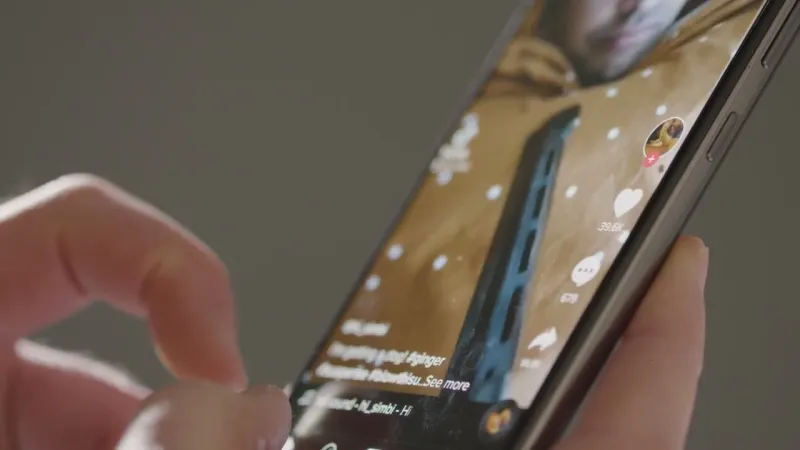
Photo: person scrolling TikTok on phone fast motion blur, via i.ytimg.com
There's a graveyard on the internet, and it fills up faster than a Chipotle line at noon. Trends that would've had a two-week run in 2019 are now lucky to get 72 hours of relevance before the algorithm buries them under a fresh pile of audio memes, dance challenges, and whatever a random raccoon did in someone's backyard. Welcome to the viral lifecycle in 2024 — blink, and you'll miss the entire funeral.
At QckFck, we move fast. That's kind of the whole point. So when we started noticing that even we were struggling to keep up with the speed at which content was living and dying, we figured it was time to do some digging. What we found was equal parts fascinating and mildly terrifying.
The Shelf Life Collapse Nobody's Talking About
Remember "Sea Shanty TikTok"? That glorious week in January 2021 when the internet collectively decided to harmonize about maritime labor? That trend had legs. It lasted nearly three weeks before the discourse moved on. By today's standards, that's basically a cultural institution.
Fast forward to now, and trend forecasters are watching cycles compress to 48 hours or less. Josie Tran, a content strategist who works with mid-size brands trying to stay culturally relevant, puts it bluntly: "A trend that hits on Monday morning is already ironic by Wednesday afternoon and completely cringe by Friday. Brands that greenlight content on Tuesday are basically eulogizing something that's already dead."
The culprit isn't just impatient audiences — it's the algorithm itself. TikTok's For You Page is a machine designed to surface novelty, which means the moment something gets too popular, the system starts deprioritizing it in favor of whatever's new. Virality is, paradoxically, the thing that kills virality.
The Trend Forecasters Living in the Fast Lane
So who actually profits in this environment? Turns out, there's an entire micro-industry of people who've built careers predicting what's going to pop — not after it pops, but before.
Marcus Webb, a 28-year-old trend analyst based out of Austin, Texas, describes his job as "reading the pre-viral smoke signals." He monitors niche corners of the internet — specific Discord servers, small creator circles, early-adopter subreddits — looking for content patterns that haven't yet made the jump to mainstream feeds. "By the time something hits the Explore page, you've already missed the window," he says. "The money is in the 500-view video, not the 5 million one."
His methodology sounds almost absurdly simple: watch what small but highly engaged communities are repeating. If three unconnected creators in different states all riff on the same audio within 24 hours, that's not a coincidence — that's a pre-viral cluster. Webb has a 70% hit rate on predicting what breaks through within a week. The other 30%, he shrugs off. "Even baseball players strike out."
The Brand Problem: Approval Processes Are Killing Relevance
If individual creators have a narrow window, brands have practically a peephole. The average corporate content approval process — legal review, brand safety checks, stakeholder sign-off — takes anywhere from three to seven days. By that math, brands are structurally incapable of participating in trends unless they've already built systems designed for speed.
"Most brands are still playing checkers while the internet is playing speed chess," says Tran. The ones doing it well — think Duolingo's unhinged TikTok presence or Wendy's continued willingness to be genuinely weird online — have essentially given social media managers unusual levels of autonomy. They're not waiting for a committee. They're posting.
For smaller brands and independent creators, the playbook is different but the urgency is the same.
How to Actually Capitalize Before the Trend Dies
Here's the practical breakdown, courtesy of the people who do this for a living:
1. Monitor the fringe, not the feed. Stop watching what's trending on TikTok's trending page — that's yesterday's news. Instead, watch what's happening in niche communities on Discord, in small subreddit threads, and among micro-influencers with under 10,000 followers. That's where tomorrow's trends are warming up.
2. Draft before it's confirmed. Webb recommends keeping "trend drafts" ready — pieces of content that are 80% complete but waiting for a trigger. When a trend confirms, you're not starting from scratch; you're just adding the final layer and hitting publish.
3. Aim for the second wave, not the first. Counterintuitively, the very first person on a trend doesn't always win. The creators who hit during the trend's growth phase — after initial proof of concept but before peak saturation — often get the biggest algorithmic push. Timing the second wave is more reliable than trying to be first.
4. Have an exit strategy. Know when to stop. Posting about a dead trend doesn't just get ignored — it actively signals to your audience that you're out of touch. Webb's rule: if you're seeing it on the local news, it's already over.
The Bigger Picture: What Speed Is Doing to Culture
There's a darker undercurrent to all of this worth acknowledging. When trends cycle this fast, cultural moments lose the time they need to actually mean something. The viral graveyard isn't just full of dumb dances and sound bites — it's full of conversations that could've gone somewhere, art forms that deserved more runway, and communities that were just starting to form around a shared idea before the algorithm yanked the rug out.
But that's the internet we've got. And at QckFck, we're nothing if not pragmatic about the reality of fast-moving digital culture. You can mourn the old pace, or you can learn to sprint.
The trends aren't slowing down. Neither are we.