Dead on Arrival: The TikTok Sounds That Were Over Before You Even Hit 'Use This Audio'
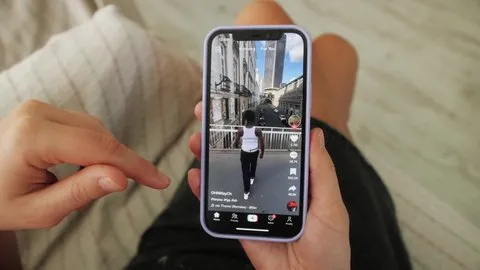
Photo: person scrolling TikTok phone trending sounds viral social media, via www.shutterstock.com
Somewhere right now, someone is filming a TikTok using an audio clip that peaked four days ago. They don't know this yet. They'll find out when the video gets 200 views and then stops completely, the algorithm having quietly decided that particular sound is yesterday's news — or more precisely, last Tuesday's news, which in TikTok years is basically ancient history.
Viral audio on TikTok doesn't fade gracefully. It doesn't get a retirement party. It gets buried alive, still technically accessible, but effectively unsearchable, while the platform has already moved three trends down the road without looking back.
The Lifecycle Nobody Showed You in Creator School
Here's the uncomfortable math. A sound that goes viral on TikTok typically follows a curve that looks less like a gentle hill and more like a spike driven into concrete. Day one: the original video posts, maybe gets a few thousand plays, and a handful of early adopters stitch or duet it. Day two or three: a creator with a larger following uses the sound, and suddenly it's everywhere. Day four or five: it hits peak saturation — you're seeing twelve versions of the same audio before you've finished your morning coffee. Day six: the algorithm, which has been quietly tracking engagement rates, notices that users are scrolling past these videos faster than before. Day seven: the sound is functionally dead.
Seven days. Sometimes less. The particularly fast-burning clips — the ones that feel like they were everywhere for about forty-eight hours — often have lifecycles closer to four or five days total.
"The window to actually benefit from a trending sound is probably thirty-six to seventy-two hours from when it first starts gaining traction," said one full-time creator based in Austin who's been navigating TikTok's ecosystem for three years. "Most people don't even know it's trending until it's already past the sweet spot."
The Sweet Spot Is Smaller Than You Think
Creators who've cracked TikTok's audio trend cycle — and there's a small, slightly obsessive community of people who study this stuff like day traders watching charts — describe the ideal entry point with almost uncomfortable precision.
The goal is to be in what they call the "second wave": not the absolute first person to use a sound (which requires either luck or being extremely online), but early enough that the algorithm is still actively boosting content using that audio. Post too early and you're in front of an audience that hasn't seen enough of the sound to recognize the trend. Post too late and you're invisible.
The practical window? Most experienced creators estimate it at roughly forty-eight hours after a sound starts appearing in their own For You Pages. By that point, the trend is recognizable but not yet exhausted. The algorithm is still hungry for new variations. Your video has a fighting chance.
"I have a Notes app document where I log when I first see a sound and when it feels like it's peaked," admitted one creator who makes lifestyle content and asked not to be named because, quote, "I don't want to seem unhinged." For the record: it does not seem unhinged. It seems like rational adaptation to an irrational system.
What Actually Happens to the Original Creator
This is the part of the story that gets uncomfortable fast. When a TikTok sound goes viral, the person who made it — who recorded that snippet of original audio, that joke, that accidental perfect reaction — often ends up with the least to show for it.
There are two versions of this. The first involves original songs or audio from independent musicians, where the creator might see a bump in Spotify streams or followers if they're lucky and visible enough. The second, grimmer version involves regular users whose off-the-cuff audio becomes a meme. They get the initial attention spike, maybe a few thousand new followers, and then watch as larger accounts build entire trends on their moment — trends that get brand deals, sponsorships, and cultural cachet that never trickle back to the source.
TikTok's "original sound" attribution is technically visible but practically buried. By the time a sound has been used 800,000 times, nobody's clicking through to find out who made it. The original creator becomes a footnote in their own viral moment.
"I had a sound go to like 600K uses," one user told us via DM, still sounding genuinely bewildered about it. "Brands were reaching out to people using my audio. Not me. People using my audio. I got a free protein powder offer."
The Algorithm's Aggressive Housekeeping
What actually causes a sound to become unsearchable isn't always organic audience fatigue. TikTok's recommendation system actively deprioritizes content using sounds it's identified as saturated. The platform wants fresh material, and fresh material means new audio. Once a sound crosses some internal threshold of overuse — a number TikTok hasn't publicly disclosed and probably never will — it essentially gets downranked across the board.
This creates a self-fulfilling cycle. The algorithm buries the sound, engagement drops on new videos using it, which confirms to the algorithm that the sound is dead, which causes it to bury the sound further. From the outside, it looks like the audience got bored. From the inside, the audience never got a chance to decide.
Meanwhile, somewhere on the platform right now, a new sound is picking up steam. It's on maybe 3,000 videos. It's got thirty-six hours, maybe forty-eight if it's lucky, before the cycle starts again.
Set your timers accordingly.