Gone in a Day: How Brands Learned to Sell You Panic With a 24-Hour Timer
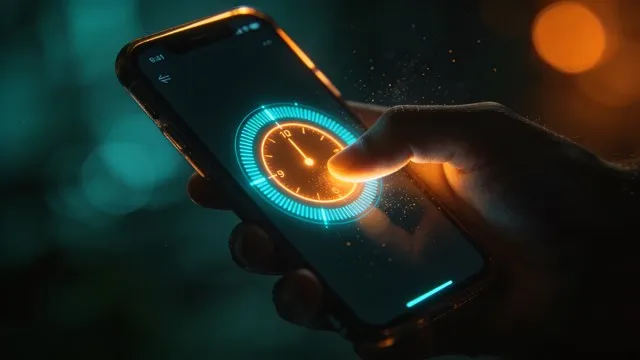
Photo: countdown timer smartphone limited time sale digital marketing neon, via images.stockcake.com
Imagine logging into Discord at 11:47 PM on a Tuesday because someone in a server you barely remember joining posted three fire emojis and nothing else. Forty minutes later you've bought a limited-edition hoodie, entered a raffle for sneakers, and watched a surprise 20-minute livestream from a brand that sells energy drinks. You're not sure exactly what happened. Your wallet is lighter. You feel weirdly alive.
Congratulations. You just got got by the 24-hour economy.
The Playbook Borrowed From Underground Culture
Here's a history lesson that'll make you feel things: the tactics that major corporations are currently deploying to sell you stuff were invented by people who were explicitly trying to avoid corporations.
Supremedrops. Sneaker cook groups. Streetwear releases announced two hours before they went live. These weren't marketing innovations dreamed up in a boardroom — they were organic behaviors that emerged from communities built around scarcity, authenticity, and the shared thrill of being in the know. The whole point was that not everyone could participate. Exclusivity wasn't a feature. It was the entire culture.
Fast forward to now, and the same mechanics are running inside campaigns for Mountain Dew, McDonald's, and mid-tier video game publishers trying to sell battle pass bundles. The language is identical. The energy is identical. The 48-hour countdown timer is identical. The only thing missing is the part where it was actually underground.
Gaming, in particular, has become ground zero for this stuff. Limited-time events, surprise in-game item drops, exclusive cosmetics that disappear forever at the end of a weekend — these are so baked into the modern live-service game model that most players don't even register them as marketing anymore. They just feel like the game. Which is, from a business perspective, extremely elegant and also slightly terrifying.
FOMO: The Emotion That Pays Someone Else's Mortgage
Fear of missing out is not a new concept, but the digital age has given brands an unprecedented ability to engineer it with surgical precision. Traditional advertising had to work with blunt instruments — a sale that ran for a week, a limited-edition product that sat on shelves until it sold out. The margin for urgency was relatively low.
Now? A brand can drop a product announcement in a Discord server at a specific time, watch engagement metrics spike in real time, adjust the messaging on the fly, and have the whole thing wrapped up before most people even know it happened. The scarcity is real — but it's also designed. The chaos is authentic — but it's also scheduled.
Psychologists have a name for what this triggers: reactance. The moment something feels like it's about to be taken away from you, you want it more than you did five seconds ago. It doesn't matter if you needed it. It doesn't matter if you even particularly wanted it before the timer appeared. The countdown is a neurological unlock code, and brands have the key.
In gaming, this plays out in ways that can get genuinely dark. The seasonal battle pass with items that expire. The limited-time character skin that'll never come back. The in-game event that requires you to log in every single day for two weeks or lose your progress. None of this is accidental. Every single one of those mechanics was playtested and optimized specifically to create the feeling that you cannot afford to look away.
When "Exclusive" Becomes a Punchline
Here's where it gets complicated: the communities these brands are chasing are also the communities most likely to clock the manipulation and talk about it loudly.
Gaming forums and Discord servers have developed a kind of collective immunity to fake exclusivity. When a major publisher announces a "surprise" drop that was clearly teased through a series of cryptic tweets for the past two weeks, the response is usually a mix of eye-rolls and memes. The performance of spontaneity, when it's too polished, reads as exactly what it is.
The same thing happens in streetwear and sneaker culture. There's a whole genre of online content now dedicated to exposing the machinery behind "limited" releases — showing that the scarcity is manufactured, that the quantities were chosen specifically to create a resale market, that the "surprise" announcement was coordinated with influencers weeks in advance. The curtain keeps getting pulled back, and yet the drops keep working. People keep buying. The cycle continues.
This suggests something uncomfortable: maybe knowing you're being manipulated doesn't actually protect you from it. The FOMO is real even when you understand the mechanism. The dopamine hit from getting the limited thing doesn't disappear just because you can articulate why you wanted it.
Does Any of This Actually Respect You?
That's the question underneath all of this, and it doesn't have a clean answer.
There's a version of the 24-hour campaign that's genuinely cool — a small brand doing something unexpected, a creator surprising their actual community with something real, a game developer dropping a free update with no warning just because they wanted to. These feel good because the intention behind them is honest. The scarcity isn't manufactured. The surprise is real.
And then there's the version where a Fortune 500 company pays a consulting firm to reverse-engineer underground culture, packages it in the language of authenticity, and deploys it against communities that would've dunked on that company's marketing department six months ago. That version is harder to feel good about.
The honest answer is probably that brands don't particularly care whether they respect you — they care whether the campaign converts. And the 24-hour model converts extremely well, which is why it's not going anywhere.
So the next time your phone buzzes at midnight because a Discord server you forgot about is suddenly very active, maybe take a breath before you click. Or don't. The timer's already running, and we both know how this ends.