Hit Play, Lose the File: The Rise of One-Listen Podcasts
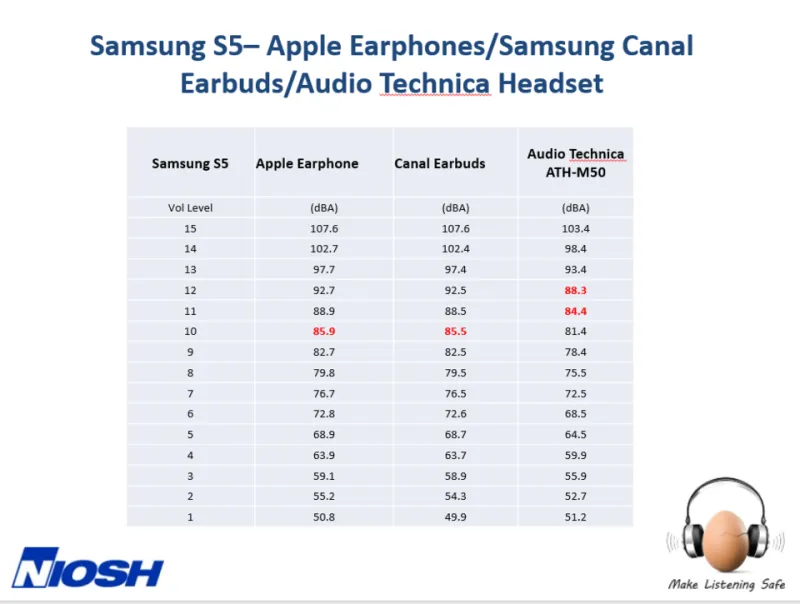
Photo: Chuck Kardous, Public domain, via Wikimedia Commons
You press play. You hear a voice. You hear a click. The episode is gone. Not deleted by you. Designed to disappear. Welcome to the one-listen podcast, where the audio equivalent of a disappearing message has become a marketing strategy, a collector’s nightmare, and a small war between artists who want presence and fans who want a filesystem.
The One-Play Wonder
The pitch is simple: some audio is meant to be an event, not a library. A growing wave of musicians and podcasters are releasing episodes that self-destruct after a single play or a 24-hour window. The language is apocalyptic on purpose. 'Burn after listening.' 'One play only.' 'Gone at midnight.' The product is not just the audio. The product is the countdown.
For podcasters, the appeal is attention. A normal episode enters the feed and competes with every other normal episode. A self-deleting episode creates a deadline. It turns a passive subscriber into a person who has to sit down and listen now. For musicians, it is a stunt with a beat: release a track as a one-time stream, watch the internet treat it like a limited drop, then close the door.
The Tech Is Half the Trick
The technology is not magic. It is a stack of constraints: custom apps, single-use stream tokens, DRM, server-side checks, and playback windows that expire. Some services promise that the file never touches your device. Some use the language of ephemeral media. Some simply ask nicely.
The honest version is that self-destructing audio is a speed bump, not a vault. The analog hole is undefeated. People record their screens. They loop audio back into another device. They capture the stream and upload it to a private tracker before the timer hits zero. The self-destruct is not a guarantee. It is a behavior-shaping device. It makes the listener feel the edge of the cliff, even if the cliff has a staircase behind it.
Collectors Hate It, Which Is the Point
The backlash is predictable and loud. Archivists call it erasure. Fans call it a scam. Reddit threads fill with requests for rips. Discord servers trade captures with the urgency of people smuggling a cassette out of a burning building. The Streisand effect does the rest: the harder you make something to keep, the more people want to keep it.
Some creators say that is missing the point. They are not trying to erase the work. They are trying to make the listen feel like a listen. But collectors hear a different message: if you delete it, we will save it. And then the scarcity play becomes a piracy prompt.
Can Scarcity Survive On-Demand?
On-demand audio trained us that everything is replayable. Podcasts are supposed to be bingeable. Music is supposed to live in a library. A one-listen release pushes against that training, and sometimes it works. The first time, it is exciting. The second time, it is a gimmick. The third time, it is a customer-service problem.
Scarcity can survive in an on-demand market, but usually as a stunt. The real question is whether the stunt leaves anything behind besides a ripped file and a Reddit thread. The QckFck answer: the only thing more permanent than a deleted podcast is the person who saved it.